Multi Collagen Peptides: What the 5 Types Really Mean
Multi collagen blends list types I, II, III, V and X. What each type is, its source, what research shows, and whether a blend beats single-source collagen.
Written by Dimitrun Irene. Updated October 22, 2026.
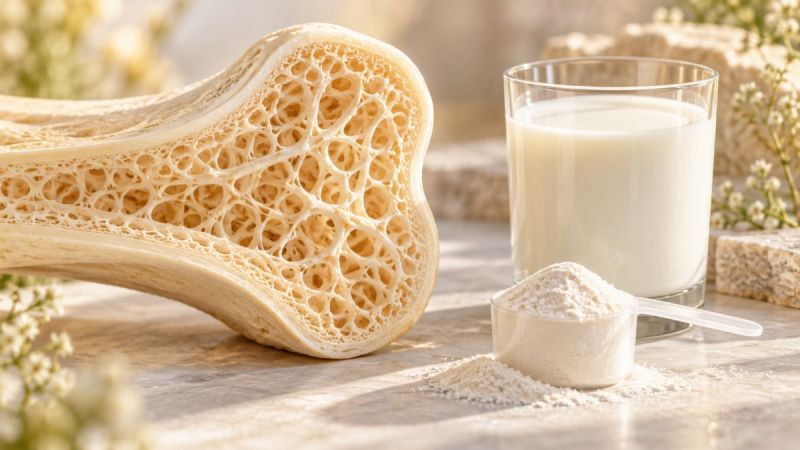
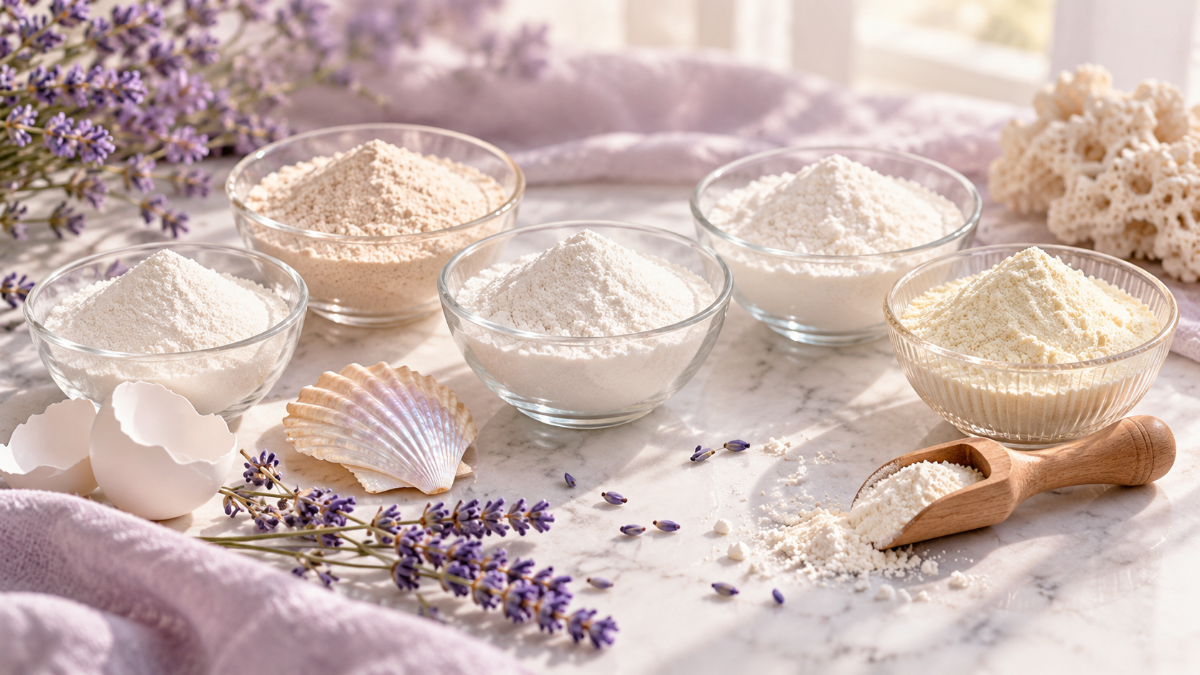
Multi collagen peptides are blends that combine collagen from several sources, usually bovine, marine, chicken and eggshell membrane, and advertise several collagen types on the label, often types I, II, III, V and X. The idea sounds logical: your body uses different types in different tissues, so a mix should cover more ground. The reality is more modest.
Here is what each collagen type is, where the types in a blend come from, what the research does and does not show for multi collagen products, and how to decide whether a blend is worth it compared with a single-source powder. For the basics, see what collagen peptides are.
The Short Answer
- 1Multi collagen is a marketing category, not a different kind of collagen. It usually means a mix of two to five sources.
- 2Once collagen is hydrolyzed into peptides, the type number mostly tells you the source. Your body does not send "type II peptides" to cartilage or "type III peptides" to skin.
- 3Most human studies tested single-source collagen peptides, not multi collagen blends.
- 4A blend can make sense if you want one product, but it is not automatically better. Source, amount per serving and third-party testing matter more than the number of types.
The Five Collagen Types on Multi Collagen Labels
Scientists have described 28 types of collagen, grouped by how they are built and where they work. Multi collagen labels typically list the five below.
Collagen types commonly listed on multi collagen labels
Type I
Skin, bone, tendons, ligaments; the most abundant type
Bovine hide, fish skin and scales, eggshell membrane
Type II
Cartilage
Chicken sternum cartilage
Type III
Skin, blood vessels, organs; usually found with type I
Bovine hide
Type V
Alongside type I in skin and other tissues, cell surfaces, placenta
Eggshell membrane (small amounts)
Type X
Cartilage at growth plates, where bone forms
Eggshell membrane (small amounts)
Types I and III together make up most of the collagen in skin. That is why a single bovine powder, which naturally contains both, is often labeled "type I and III" without being a blend at all.
Where Each Source in a Blend Comes From
- 1Bovine collagen comes from cow hide and provides mostly types I and III. It is usually the largest ingredient in a blend because it is inexpensive.
- 2Marine collagen comes from fish skin or scales and is mostly type I. It suits people who avoid beef but is off-limits for fish allergies.
- 3Chicken collagen usually comes from sternum cartilage and is the main source of type II.
- 4Eggshell membrane is the thin film inside an eggshell. It contains types I, V and X along with other compounds such as glucosamine, chondroitin and hyaluronic acid.
For a closer look at the two most common sources, see marine vs bovine collagen peptides.
Does the Type Still Matter After Hydrolysis?
Mostly no. A collagen "type" describes how intact molecules are assembled in tissue. To make collagen peptides, manufacturers use enzymes to break those large molecules into small fragments. After digestion, your body absorbs amino acids and short peptides, including fragments such as prolyl-hydroxyproline (Pro-Hyp) that have been measured in blood after people took collagen hydrolysate.
Those fragments go into the body's general pool. There is no evidence that peptides from type II collagen are directed to cartilage, or that type V peptides do something type I peptides cannot. Different sources do have slightly different amino acid profiles and peptide sizes, which is one reason studies on one product do not automatically apply to another.
The main exception is undenatured type II collagen. It is processed to keep its native structure, is taken in very small amounts (a 2016 knee osteoarthritis trial used 40 mg a day), and is thought to work through the immune system rather than as a protein source. A hydrolyzed chicken collagen inside a multi collagen powder is not the same thing. We explain the difference in collagen vs collagen peptides.
What the Research Shows for Multi Collagen
Research on collagen peptides is growing, but almost all of it uses single-source products:
- 1Skin: a 2021 meta-analysis of 19 studies found hydrolyzed collagen was associated with improved skin hydration and elasticity compared with placebo. Most studies were small and several were industry funded.
- 2Joints: a 24-week trial in athletes found less activity-related joint pain with collagen hydrolysate than with placebo.
- 3Eggshell membrane: a 2009 randomized trial reported modest short-term improvement in knee pain and stiffness, but it tested the whole membrane, not its collagen alone.
We could not find good-quality trials showing that a five-type blend works better than a single-source collagen peptide powder at the same daily amount. That does not mean blends do not work. It means the benefit of "more types" is an assumption, not a finding.
For realistic timelines, see how long collagen peptides take to work, and for specific goals, collagen for skin, hair and nails and collagen for joints and exercise.
Multi Collagen vs Single-Source Collagen
How a multi collagen blend compares with a single-source powder
Research base
Few or no trials on blends themselves
Most skin and joint studies
Types listed
Often I, II, III, V and X
Usually I and III (bovine) or I (marine)
Amount per source
Often hidden in a proprietary blend
Clear: the whole serving is one source
Allergens
May include fish and egg
Easier to avoid a specific allergen
Cost
Often higher per gram
Often lower per gram
How to Read a Multi Collagen Label
- 1Check the total grams of collagen per serving. Many studies used roughly 2.5 to 10 grams a day.
- 2Look for the amount of each source. A "proprietary blend" can list five sources while containing very little of four of them.
- 3Check allergens. Marine collagen is a fish product and eggshell membrane is an egg product.
- 4Look for third-party testing, such as NSF or USP verification, which checks that the product contains what it says and is screened for contaminants.
- 5Be cautious with claims such as "targets every tissue" or "complete collagen." Collagen is not a complete protein; it lacks the essential amino acid tryptophan.
Our checklist on how to choose collagen peptides covers each of these points in more detail.
Who Might Choose a Blend, and Who Might Not
A multi collagen blend can be a reasonable choice if you want one product, do not have fish or egg allergies, and like the idea of a mix of sources. A single-source powder may be a better fit if you want the form closest to what has been studied, need to avoid a particular allergen, or want to know exactly how much of each ingredient you are taking.
If your main goal is joint support, it is worth knowing that the most studied joint options are collagen hydrolysate in grams and undenatured type II collagen in milligrams, and that these are different products. Ask your doctor which makes sense for you, especially if you already take other joint supplements.
Safety Notes
Collagen peptides are generally well tolerated, with mild digestive effects being the most common complaint. Blends add more possible allergens, so read the full ingredient list. Dietary supplements in the United States do not need FDA approval before they are sold, so independent testing is your best quality signal. Talk to a doctor first if you are pregnant or breastfeeding, have kidney disease, or take prescription medicines. More on our side effects page.
FAQ
Not proven. Most research used single-source collagen peptides. A blend is a matter of preference rather than a clearly superior product.
Usually types I, II, III, V and X, from bovine, marine, chicken and eggshell membrane sources.
Your body makes all the types it needs from amino acids. Supplement peptides are broken down and absorbed as amino acids and short peptides, regardless of their original type.
Many blends contain marine collagen and eggshell membrane, so check the label carefully or choose a single-source product.
No. Joint products with undenatured type II collagen use a very small amount of intact collagen and work differently from hydrolyzed peptides.
Sources
- 1The collagen family, Cold Spring Harb Perspect Biol, 2011
- 2Identification of food-derived collagen peptides in human blood after oral ingestion of gelatin hydrolysates, J Agric Food Chem, 2005
- 3Effects of hydrolyzed collagen supplementation on skin aging: a systematic review and meta-analysis, Int J Dermatol, 2021
- 424-week study on the use of collagen hydrolysate as a dietary supplement in athletes with activity-related joint pain, Curr Med Res Opin, 2008
- 5Eggshell membrane in the treatment of pain and stiffness from osteoarthritis of the knee, Clin Rheumatol, 2009
- 6Efficacy and tolerability of an undenatured type II collagen supplement in modulating knee osteoarthritis symptoms, Nutr J, 2016
- 7FDA 101: Dietary Supplements, U.S. Food and Drug Administration
This article is for general information and does not replace advice from a doctor or pharmacist.

Dimitrun Irene
Author
Comments (0)
Be the first to comment on this article.
More articles